In 2024, the WA’s Environmental Protection Authority (EPA) rejected Woodside’s Browse oil and gas proposal, citing an ‘unacceptable’ risk to Scott Reef, one of the Kimberley coast’s most biodiverse marine environments.
During the assessment process, EPA staff drafted a letter for the EPA Board’s approval. Two months later, the letter was sent to Woodside, communicating the EPA’s preliminary view that the Browse project should be rejected due to the unacceptable and ‘irreversible’ damage it posed to Scott Reef.
Woodside has said it could stop the flow of oil from a leaking well within 16 days using a capping stack. However, in 2023, the EPA was advised that a well leaking for just 13 days could have ‘irreversible consequences’ for Scott Reef. Our recent analysis of Woodside’s own oil spill modelling also shows that oil could spread as far as the Kimberley coast.
The letter also identifies Sandy Islet as critical to the survival of endangered green turtles. The turtles could lose their only nesting habitat if the Sandy Islet subsides as a result of Woodside extracting gas from beneath it. The Sandy Islet is home to around 1000 genetically unique nesting Green Turtles.

Image: Endangered Green Turtles at Scott Reef. Image By Wendy Mitchell
The WA EPA’s letter further reveals that the Department of Mines, Industry Regulation and Safety (DMIRS) and the Department of Biodiversity, Conservation and Attractions (DBCA) also had concerns about the risks posed by Woodside’s proposal at Scott Reef.
Woodside’s amended proposal, resubmitted to the WA EPA, does little to address the original environmental concerns. The project still includes 50 oil and gas wells and seven additional carbon capture and storage (CCS) wells, with the closest well just 3 km from the reef.
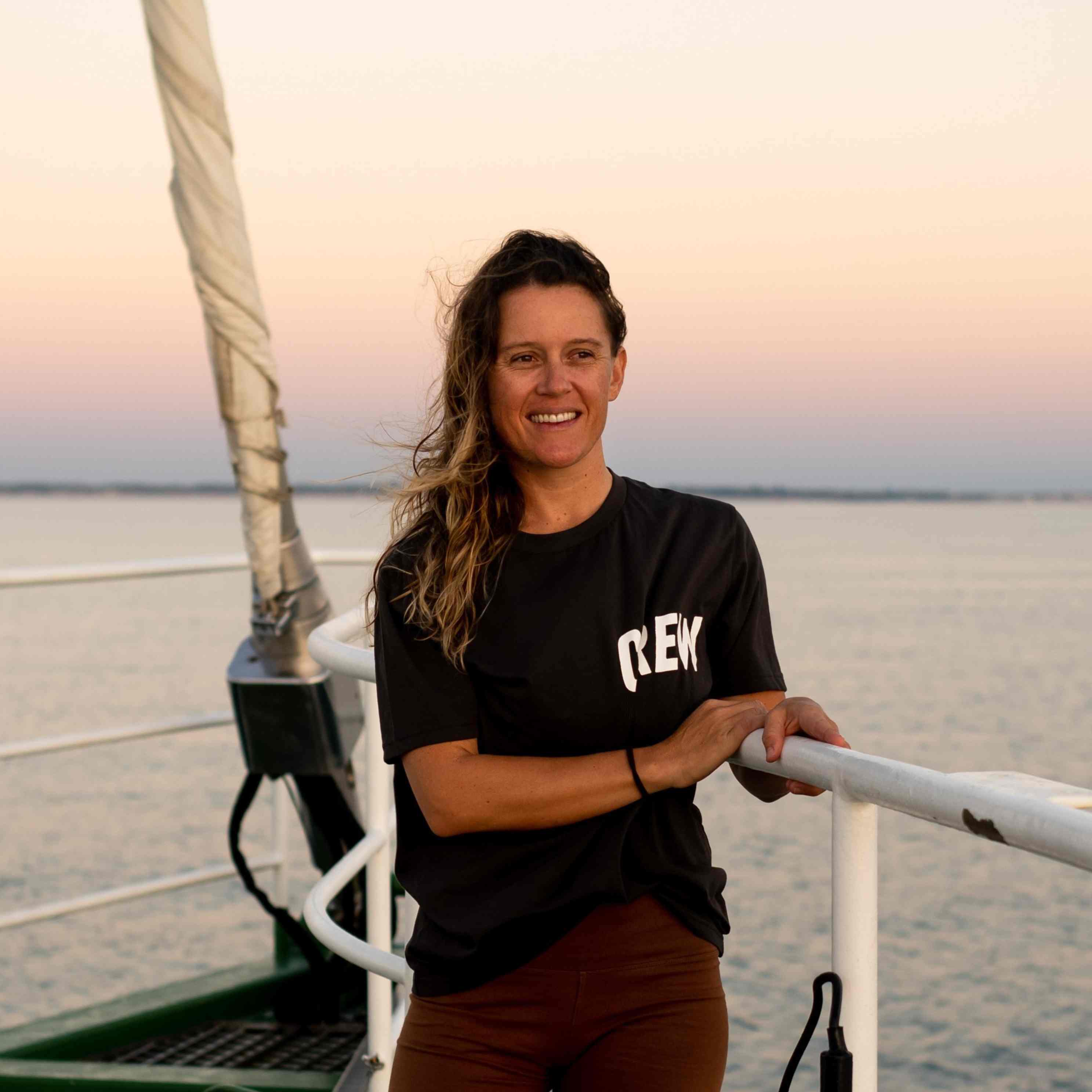
Environs Kimberley spokesperson Wendy Mitchell said:
“These documents show the serious environmental concerns raised by Woodside’s Browse proposal at Scott Reef, not only by the WA EPA but also by the Department of Mines, Industry Regulation and Safety and the Department of Biodiversity, Conservation and Attractions.”
“Woodside have played down the significance of Scott Reef as a feeding ground for Pygmy Blue Whales, with the release of this information by the WA EPA it highlights just how critical Scott Reef is as a feeding location on their long migrations up and down the West Australian coast.”
“Having experienced Pygmy Blue Whales up close, it would be tragic if their feeding grounds were decimated by oil and gas industrialisation and pollution.”
“I feel incredibly lucky to have dived at Scott Reef. It is one of the most spectacular places I have experienced underwater. If the impacts of an oil spill were as ‘catastrophic’ as Woodside has described, it would destroy Scott Rees.”
“We’re calling for the Browse project to be rejected because of the risks it poses to Scott Reef, a 15-million-year-old reef system off the Kimberley coast. It’s incredibly biodiverse, home to more than 300 species of coral and 900 species of fish. This extraordinary marine environment deserves protection through a marine park, not a massive oil and gas development.”

Image: Endangered Pygmy Blue Whales are known to feed around Scott on their annual migration. By Wendy Mitchell
Showing 1 reaction
Sign in with
Facebook