
The Kimberley coastline is considered by scientists to be among the top 4% of intact coastlines on the planet, comparable to the coasts of Antarctica and the Arctic.
The Cambridge Gulf in the east Kimberley is under unprecedented threat from a seabed mining proposal by Dutch dredging company Boskalis, which is proposing to remove 70 million cubic metres of sand from the Gulf seabed over 15 years. This equates to around 28,000 Olympic-sized swimming pools of sand over the lifetime of the project. The sand would be sucked up from the seafloor and transported overseas for use in construction projects.
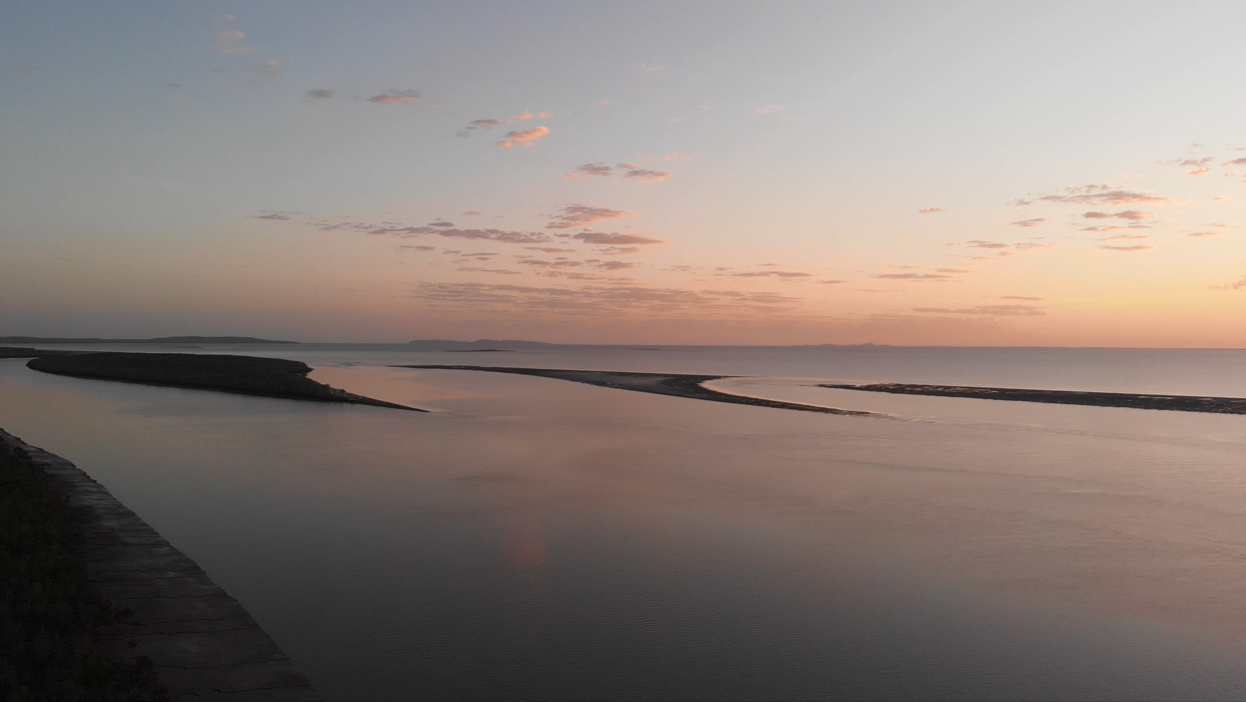
If approved, this would be the first seabed mining operation in the Kimberley. It would set a precedent for future seabed mining across the Kimberley, effectively opening the floodgates for resources and minerals to be exploited from sensitive and unique marine ecosystems around the region.
Across the border in the Northern Territory (NT), the NT Minister for the Environment has formally declared subsea mining a prohibited activity within NT coastal and intertidal waters, due to the risks it poses to the marine environment and the lack of knowledge about the long-term implications of the practice.
The WA EPA has recently released its report recommending approval of the east Kimberley proposal, which Environs Kimberley and community members have appealed.
The seabed sand-mining proposal will continue to be assessed under the federal EPBC before the WA Minister for the Environment Matthew Swinbourn makes the final decision on the proposal.
We are calling on Minister Swinbourn to reject the proposal for the following reasons:
- Given the scale, duration, and location of this proposal, it should have been assessed through a full Public Environmental Review (PER), the highest and most thorough level of environmental assessment. Relying solely on the basic referral information originally submitted by the proponent, with no opportunity for public comment, does not align with the EPA’s statutory role and functions.
- The ‘further proponent information’ relied on by the EPA is grossly deficient and provides no sound basis for a recommendation for approval.
- In August 2021, the Northern Territory (NT) Minister for Environment exercised section 38 of the Environment Protection Act 2019 (NT EP Act) to formally declare subsea mining a prohibited activity within NT coastal and intertidal waters. The WA Government should follow the NT’s lead and permanently ban destructive seabed mining.
- The extensive list of threatened marine fauna likely or potentially occurring in the area demonstrates the inappropriateness of a high-impact, high-risk proposal in this location. Species include: green sawfish, freshwater sawfish, dwarf sawfish, narrow sawfish, speartooth shark, northern river shark, Australian humpback dolphin, Australian snubfin dolphin , flatback turtle, green turtle, olive ridley turtle, and saltwater crocodile.
- Neither the proponent nor the EPA have demonstrated to any acceptable level of scientific certainty that this proposal will not have serious impacts on several of the species listed above.
We are calling on Minister Swinbourn to reject the EPA’s advice, and to direct the EPA to carry out a full public assessment.
Minister Swinbourn should show the same leadership demonstrated by the Northern Territory Government, and to protect the Kimberley’s marine waters from destructive seabed mining proposals. The WA Government should firmly oppose seabed mining in Western Australia and reject Boskalis’ proposal.
Sign the petition to protect Cambridge Gulf here.
Do you like this post?
Showing 1 reaction
Sign in with
Facebook