Scott Reef is one of Australia’s largest oceanic reef systems and is located off the Kimberley coast in Western Australia. It has been a thriving coral reef for 15 million years, providing essential habitat for hundreds of marine species. It is a place where green turtles nest, pygmy blue whales feed, and reef species live in harmony.
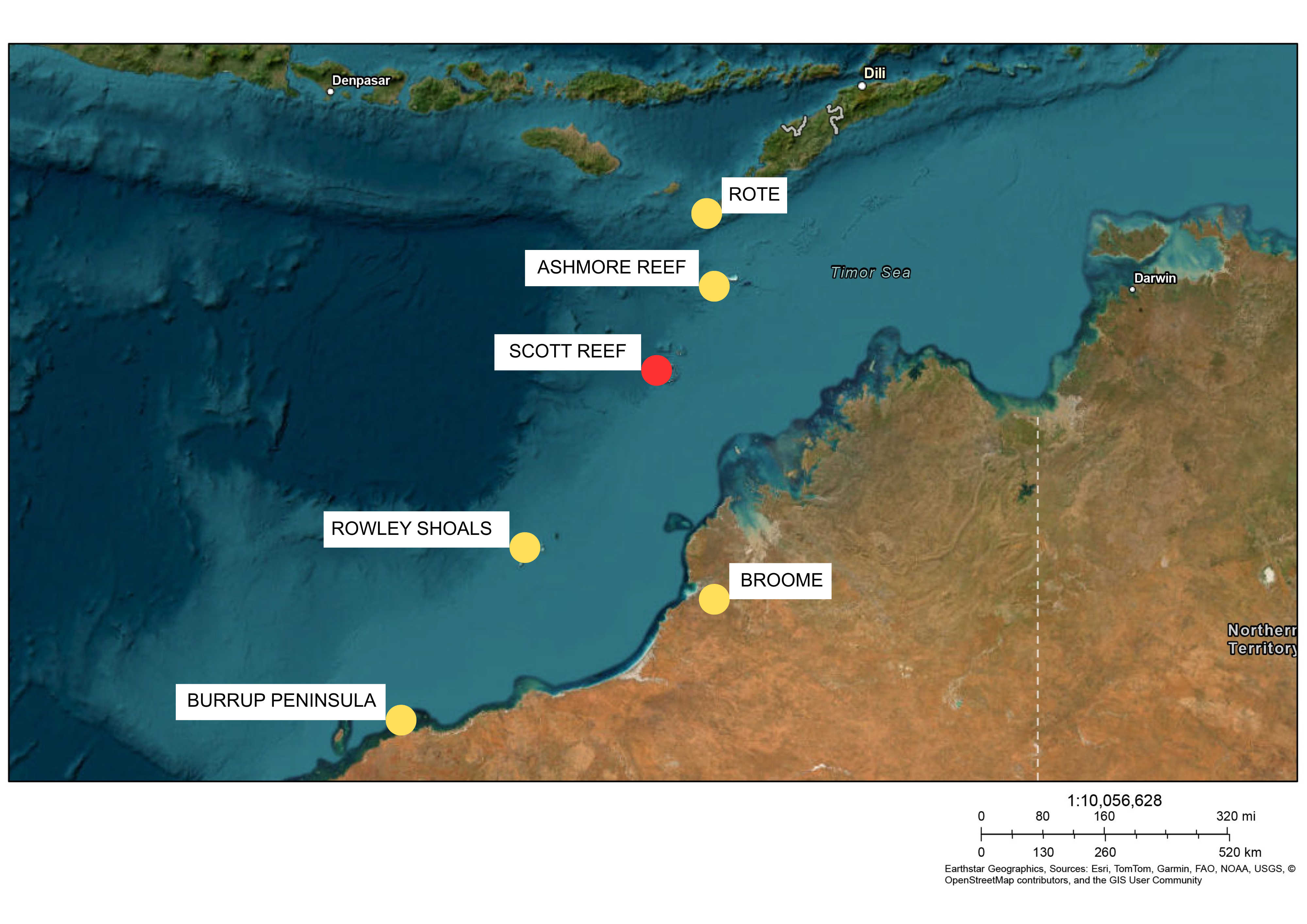
Scott Reef
Scott Reef is home to around 900 differant species of fish, 300 coral species, a small sandy island provides nesting grounds for 1,000 green sea turtles and the deep waters surrounding the reef are home to 29 known species of whales and dolphins, including the endangered pygmy blue whale, which travels along the West Australian coast. These whales stop at Scott Reef during their annual migration to feed in the upwellings around the reef.
Corals' Last Stand
Corals’ Last Stand is a captivating documentary that tells the critically important story of Scott Reef and the campaign to protect it.
It is told by author and marine conservationist Tim Winton, international musician John Butler and Environs Kimberley Executive Director Martin Pritchard. As well as marine scientists and conservationists working to protect Scott Reef from the oil and gas corporation Woodside’s proposed 50 oil and gas wells.
If you would like to host a screening for your community, friends, or family, let us know! Email: [email protected]
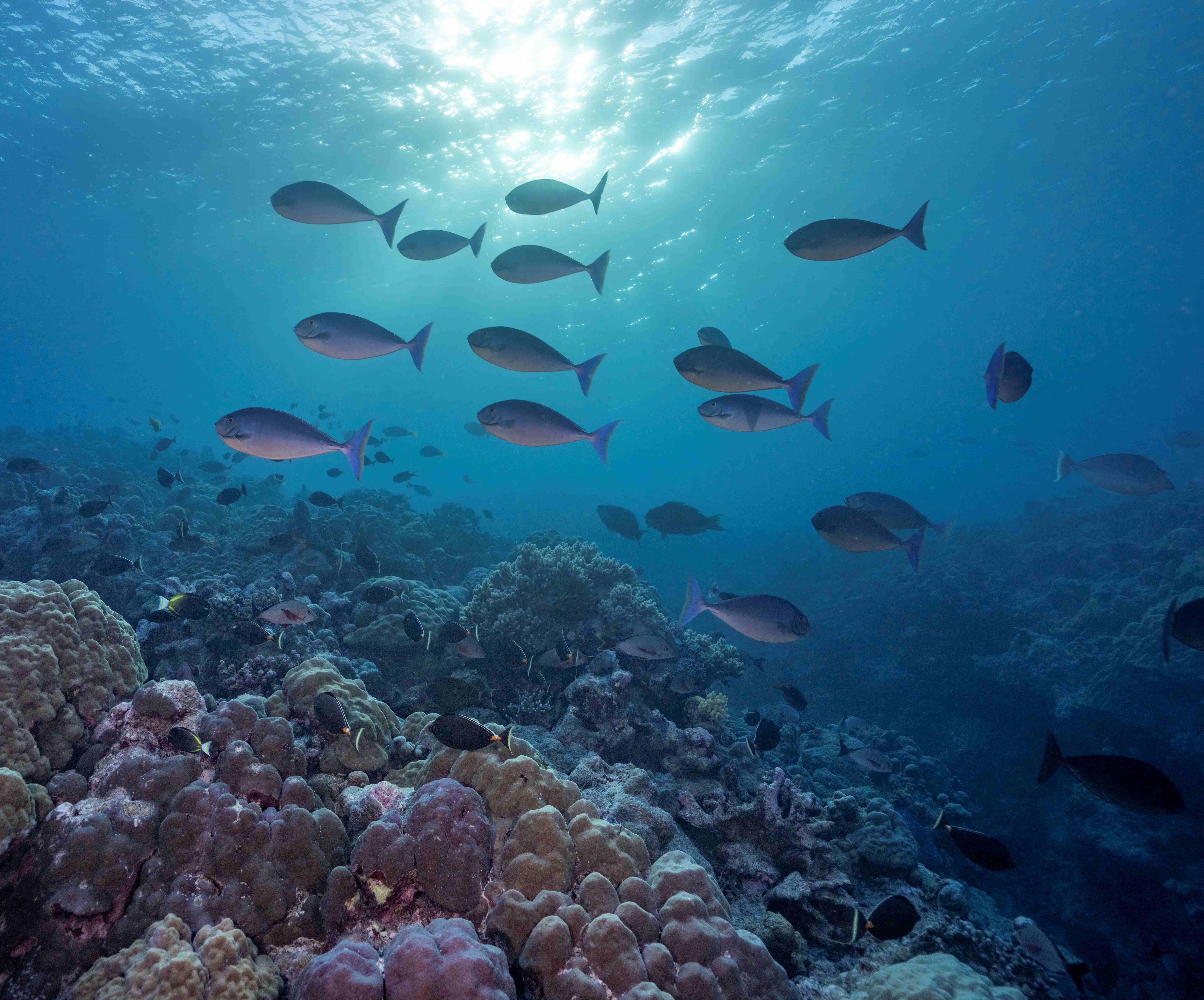
Image: Surgeon fish at Scott Reef By: Alex Westover
Scott Reef's under threat
Scott Reef’s abundant marine life has, over millions of years, contributed to creating vast reserves of oil and gas that have formed beneath the reef. Woodside, Australia’s largest oil and gas company, has proposed drilling up to 50 oil and gas wells around Scott Reef and extracting the resources from beneath the reef. They plan to build a 900 km-long pipeline to connect the Scott Reef–Browse deposit with the North West Shelf (NWS), where the gas will be processed and then mostly exported internationally.
Threats from Woodside’s Browse Gas Development
If Woodside were to get approval to drill at Scott Reef, the ecosystem would face a barrage of industrial impacts, including seismic blasting, gas flaring, underwater noise, artificial lighting, pipe-laying, and fast-moving vessels over years of construction and operation.
With gas wells planned within just a few kilometres of the reef, a blowout would be catastrophic, devastating not only the reef system but also potentially impacting the Kimberley coastline and even reaching Indonesia. In 2009, a blowout at the Montara rig in the Timor Sea saw condensate travel as far as Indonesian Timor, impacting local communities, devastating seaweed farms, and harming countless species of wildlife in the area.
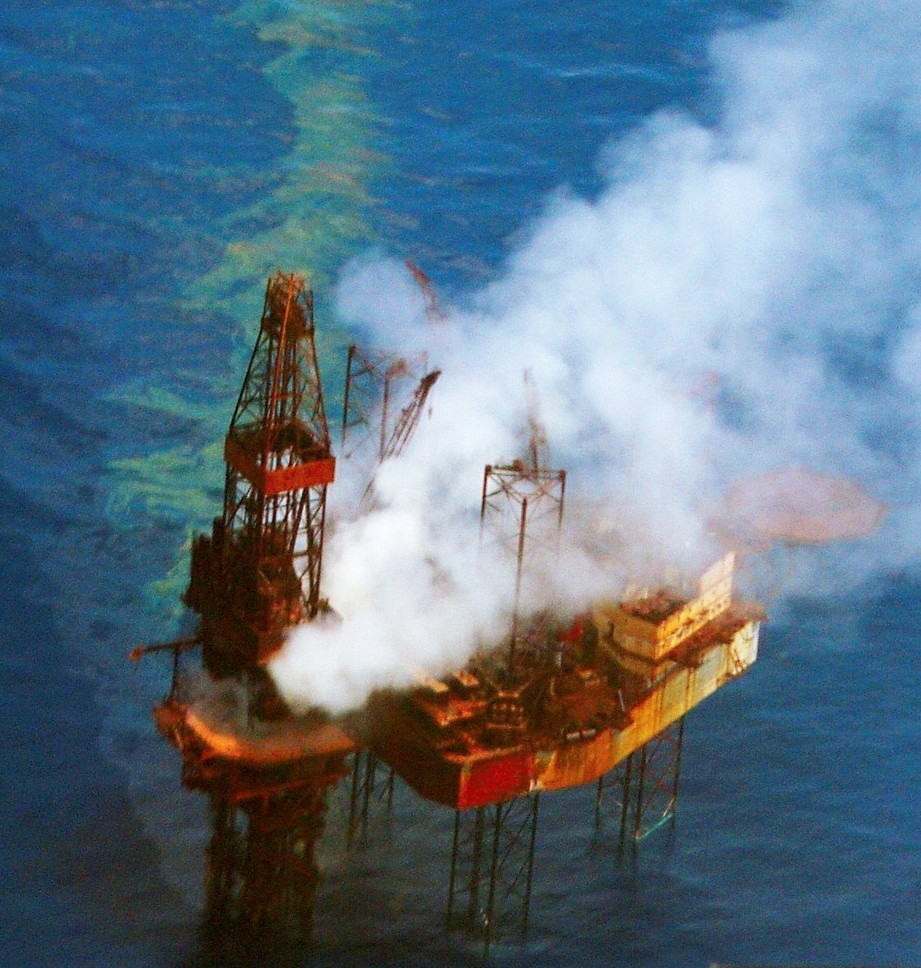
Image: Montara oil spill in 2009, Timor Sea By: Martin Pritchard

New report released
Recently, we analysed Woodside’s oil spill documents and produced a report on the findings. This report shows that the most severe Browse scenario would be the worst oil spill in Australian history — up to 30 times bigger than the 2009 Montara oil spill disaster — and that oil could wash up on the Kimberley coast and internationally.
A collaboration between Greenpeace and Environs Kimberley.
We need everyone to get onboard the campaign to stop Woodside from drilling at Scott Reef. You can help by signing our petition targeting the State and Federal Environment Ministers.